


Written By: Peter Wandwasi, PhD
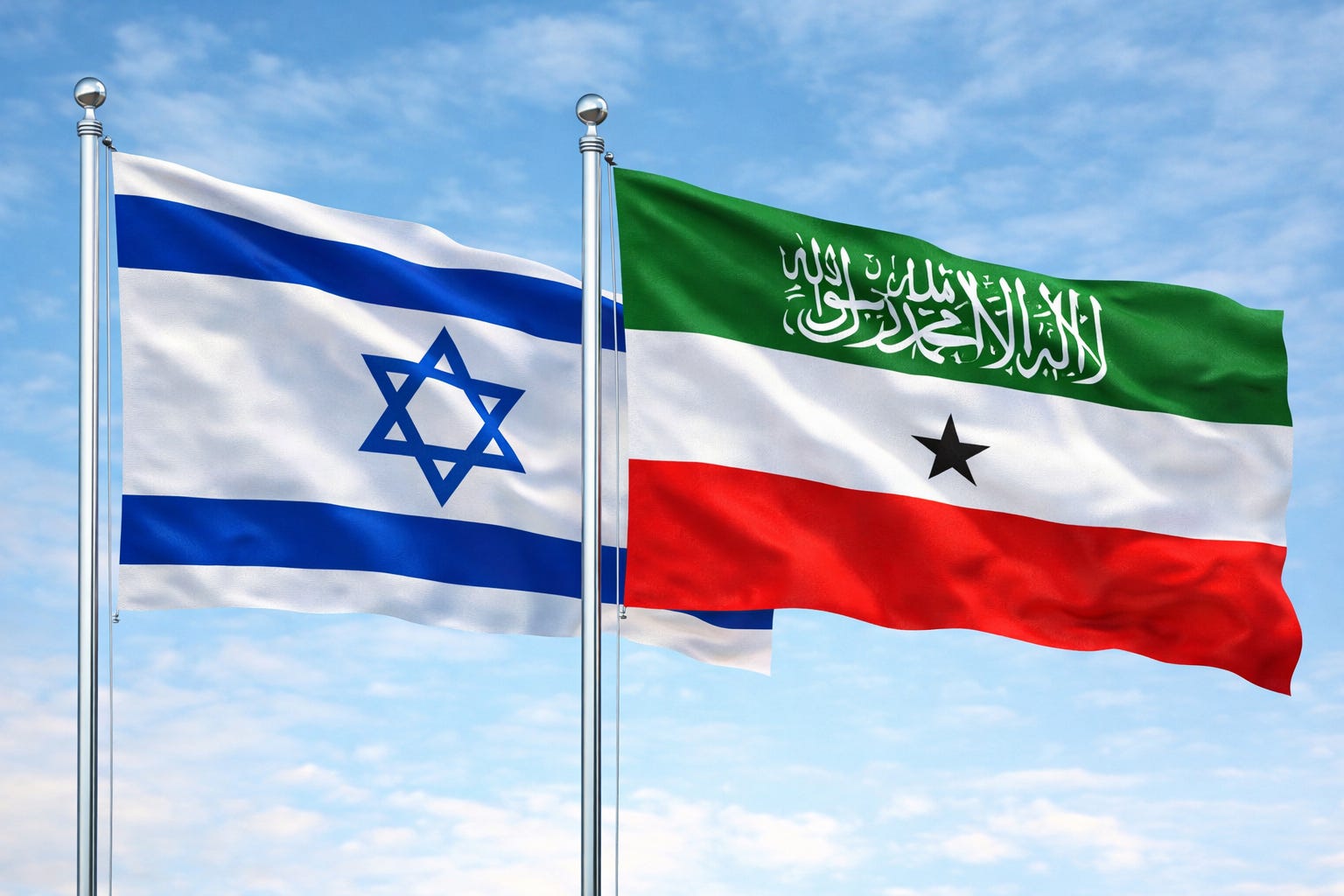
The State of Israel has taken a remarkable step by officially recognizing the independence of Somaliland, becoming the first UN member state to do so. This historic move was marked by a visit from Israeli Foreign Minister Gideon Saar, who is the first Israeli minister to travel to Somaliland. The decision to recognize Somaliland is heavily influenced by strategic and security considerations in the region, particularly to counter threats from the Houthis in Yemen. With Somaliland located approximately 200 miles from Houthi-controlled areas in Yemen, Israel gains a significant advantage, as this proximity allows for quicker response times and reduced costs for military and surveillance operations. This is a pivotal development for Israel as it seeks to expand its strategic security influence in the region.
As part of this new alliance, Israel is expected to set up signal intelligence sites in Somaliland to monitor missile and drone launches. This collaboration will provide Israel with strategic depth against Iranian attempts to disrupt arms trafficking through the Red Sea, a vital route for the supply of weapons to various groups in the Levant and Gaza. Enhanced surveillance capabilities from Somaliland are anticipated to improve Israel’s early warning systems regarding Iranian proxy activities throughout the Middle East and the Horn of Africa.
This partnership between Israel and Somaliland is not merely a strategic security alignment; it is a bold, transformative opportunity poised to reshape the Horn of Africa’s geopolitical and economic landscape. For Somaliland, this collaboration is crucial for driving growth and ensuring stability. It promises significant advancements in agriculture and technology, which will effectively address ongoing crises in the region and bolster resilience against food insecurity. The alliance between Israel and Somaliland is a landmark development for both nations and the Horn of Africa as a whole. By seamlessly integrating security interests with socio-economic development, this partnership unveils a powerful strategy to confront critical challenges such as food insecurity and regional volatility.
The collaboration in military affairs and the exchange of intelligence establishes a robust foundation for enhancing diplomatic and economic relationships, ultimately fostering mutual benefits for all parties involved. Moreover, the introduction of cutting-edge agricultural technology and cybersecurity expertise will position Somaliland as a resilient hub in an ever-changing region.
Ultimately, this collaboration exemplifies the tremendous potential of partnership in turning challenges into opportunities. As Israel and Somaliland capitalize on their respective strengths, they embark on an exciting journey toward innovation and prosperity, setting a compelling example for other nations about the impact of strategic alliances in overcoming adversity and driving growth, even amidst current instability.
Harnessing Agricultural Technology for a Sustainable Future
At the heart of this collaboration lies Israel’s unparalleled expertise in agricultural technology. Israel has historically demonstrated its ability to transform arid landscapes into thriving agricultural ecosystems through innovations such as drip irrigation and advanced soil management. For Somaliland—a region deeply impacted by recurring droughts and food insecurity—this technology is not just advantageous; it is critical.
Imagine a future where Somaliland farmers can optimize their yields, ensuring food security for their families and communities. Imagine a Somaliland where the fields are lush and thriving, where innovative agricultural techniques spark a revolution in crop production. By embracing the wisdom of Israeli agricultural practices, farmers can unlock the potential to cultivate diverse and abundant harvests. This journey not only promises increased yields but also empowers communities to stand resilient against the challenges of climate change.
Together, Israel and Somali Land can sow the seeds of perpetual hope, creativity, and sustainability, transforming Somali land landscapes into a testament to what is possible when two nations come together and jointly dare to dream and innovate! This partnership creates a ripple effect: increased agricultural productivity leads to job creation, improved livelihoods, and poverty reduction. With the potential to transform Somaliland into a self-sufficient agricultural hub, this collaboration is a lifeline in the fight against food scarcity.
Advancing Cybersecurity for Economic Development
In our digital age, cybersecurity is non-negotiable. Israel’s global reputation as a leader in cybersecurity can equip Somaliland with the technology and frameworks necessary to protect its critical infrastructure and sensitive data. This enhancement is crucial for not only safeguarding government operations but also fostering a vibrant environment for digital entrepreneurship.
The youth of Somaliland stand at the precipice of a digital revolution. By investing in cybersecurity measures supported by Israeli expertise, Somaliland could inspire innovation, attract foreign investments, and create a skilled workforce adept at navigating the complexities of modern technology. This is more than just security—it’s about seizing the opportunity to position Somaliland as a regional tech hub, driving economic growth and job creation.
Socio-Economic Transformation: A Path to Stability
The socio-economic benefits of the Israel-Somaliland partnership are profound. As Somaliland diversifies its economy through technology and agriculture, it decreases its reliance on traditional sectors vulnerable to market fluctuations and climate impacts. This economic diversification engrains resilience into the fabric of the nation, providing stability that benefits all citizens.
In addition to economic growth, this collaboration holds the promise of educational advancements. Establishing training centers in agriculture and technology will equip Somaliland’s youth with the skills they need to innovate and lead. By investing in human capital, this partnership nurtures not just an economy but an empowered populace ready to drive the nation forward.
Addressing Regional Implications with Strategic Diplomacy
While the collaboration carries notable regional implications, notably in relation to Somalia, this should not deter progress. Instead, it presents an opportunity for strategic diplomacy. By reinforcing its partnership with Israel, Somaliland can cultivate additional relationships with other nations seeking stability and progress in the Horn of Africa.
Israel’s engagement with Somaliland could serve as a model for constructive regional cooperation, encouraging neighbouring countries to shift perspectives and prioritize mutual development over historical grievances. By taking a proactive stance, Somaliland can reframe its narrative on the international stage, potentially paving the way for broader recognition and legitimacy, which have been historically elusive.
Conclusion: A Unique Opportunity for Transformation
The collaboration between Israel and Somaliland marks a transformative milestone for both nations and the Horn of Africa as a whole. By aligning security interests with socio-economic development, this partnership unveils a comprehensive strategy to address critical challenges like food insecurity and regional instability. Sharing military and intelligence information helps build stronger diplomatic and economic relationships, providing benefits for everyone involved. Moreover, the introduction of advanced agricultural technology and cybersecurity expertise equips Somaliland to become a resilient hub in an uncertain region.
Ultimately, this partnership exemplifies the power of collaboration, turning challenges into opportunities. As Israel and Somaliland harness their strengths, they embark on a promising journey toward innovation and prosperity, setting a compelling example for other nations on the impact of strategic alliances in overcoming adversity and fostering growth.
Dr Peter Wandwasi obtained a PhD in Metaevaluation (Evaluation of Evaluations) from the University of the Witwatersrand, Johannesburg, and writes in his capacity as Research Associate at the Middle East-Africa Research Institute (MEARI)
